The Dunes
Year
2024
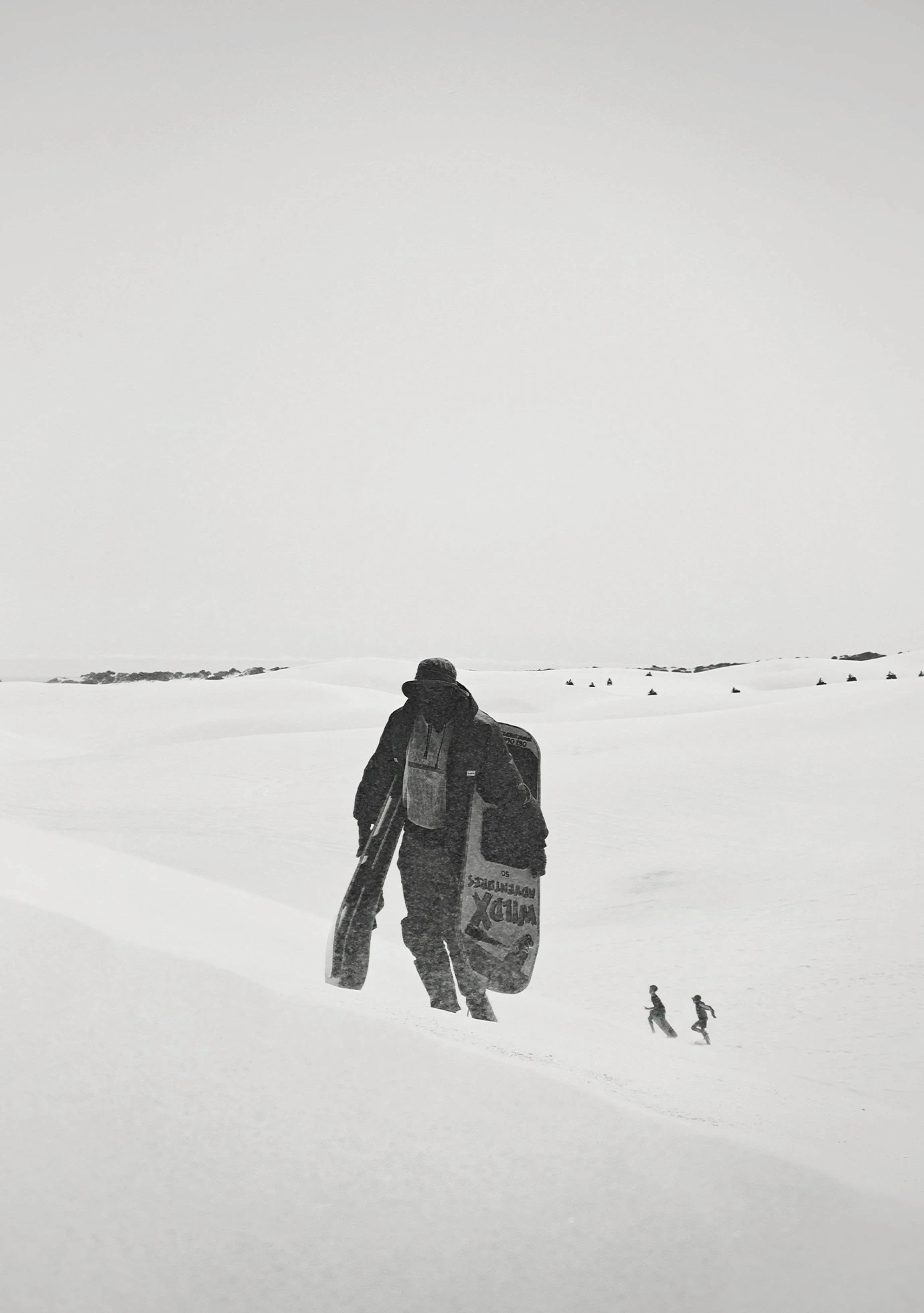
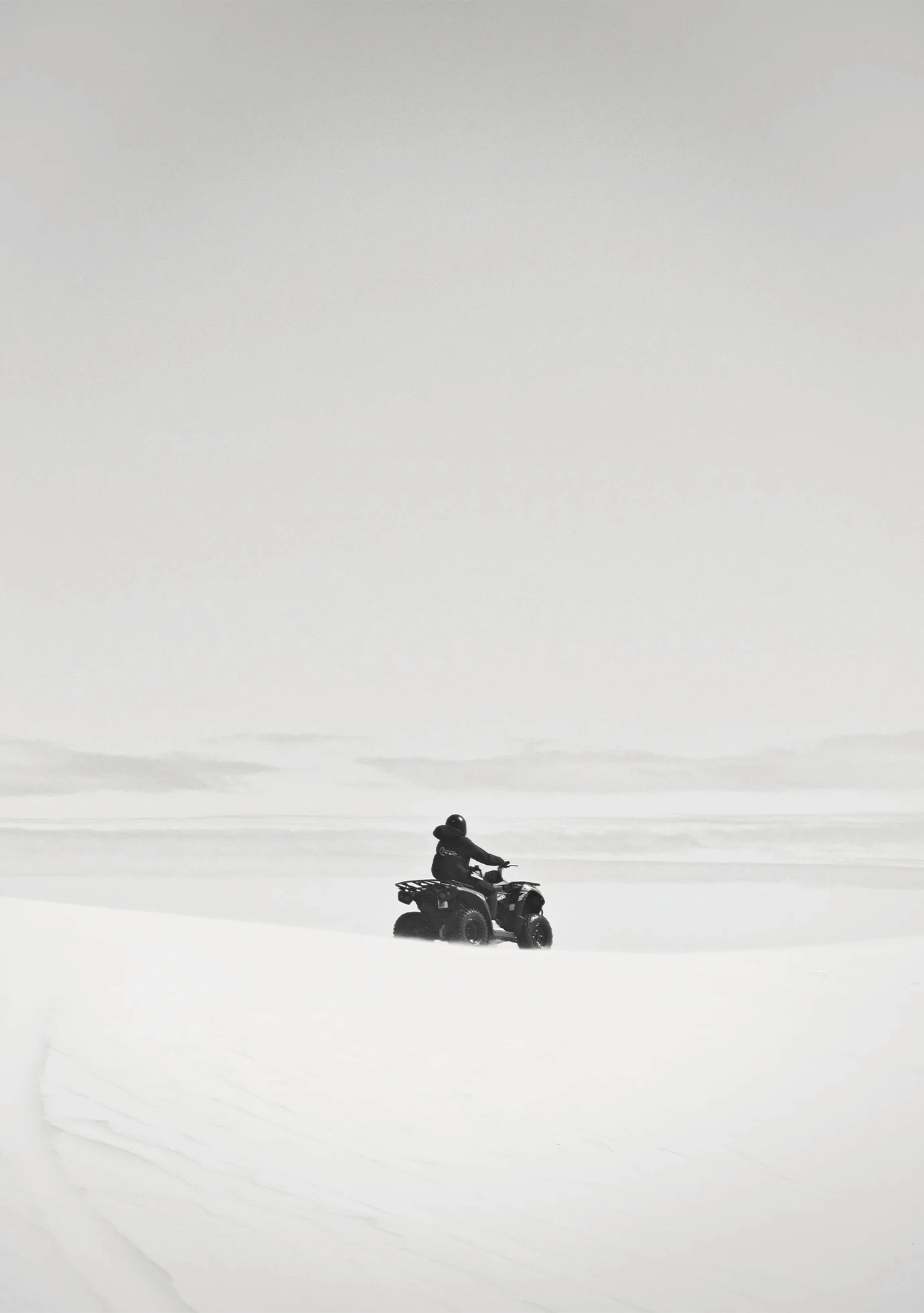
On this day, I explored the dunes of Atlantis with friends, caught in long conversations about Dune the film. My thoughts spiraled toward Greig Fraser’s cinematography and his use of contrast to shape the visual language of Arrakis and Geidi Prime. Though vastly different, the two worlds share a visual similarities through the contrasts. This dialogue between light and shadow became my own focus as I began capturing the dunes before me.
On this day, I explored the dunes of Atlantis with friends, caught in long conversations about Dune the film. My thoughts spiraled toward Greig Fraser’s cinematography and his use of contrast to shape the visual language of Arrakis and Geidi Prime. Though vastly different, the two worlds share a visual similarities through the contrasts. This dialogue between light and shadow became my own focus as I began capturing the dunes before me.
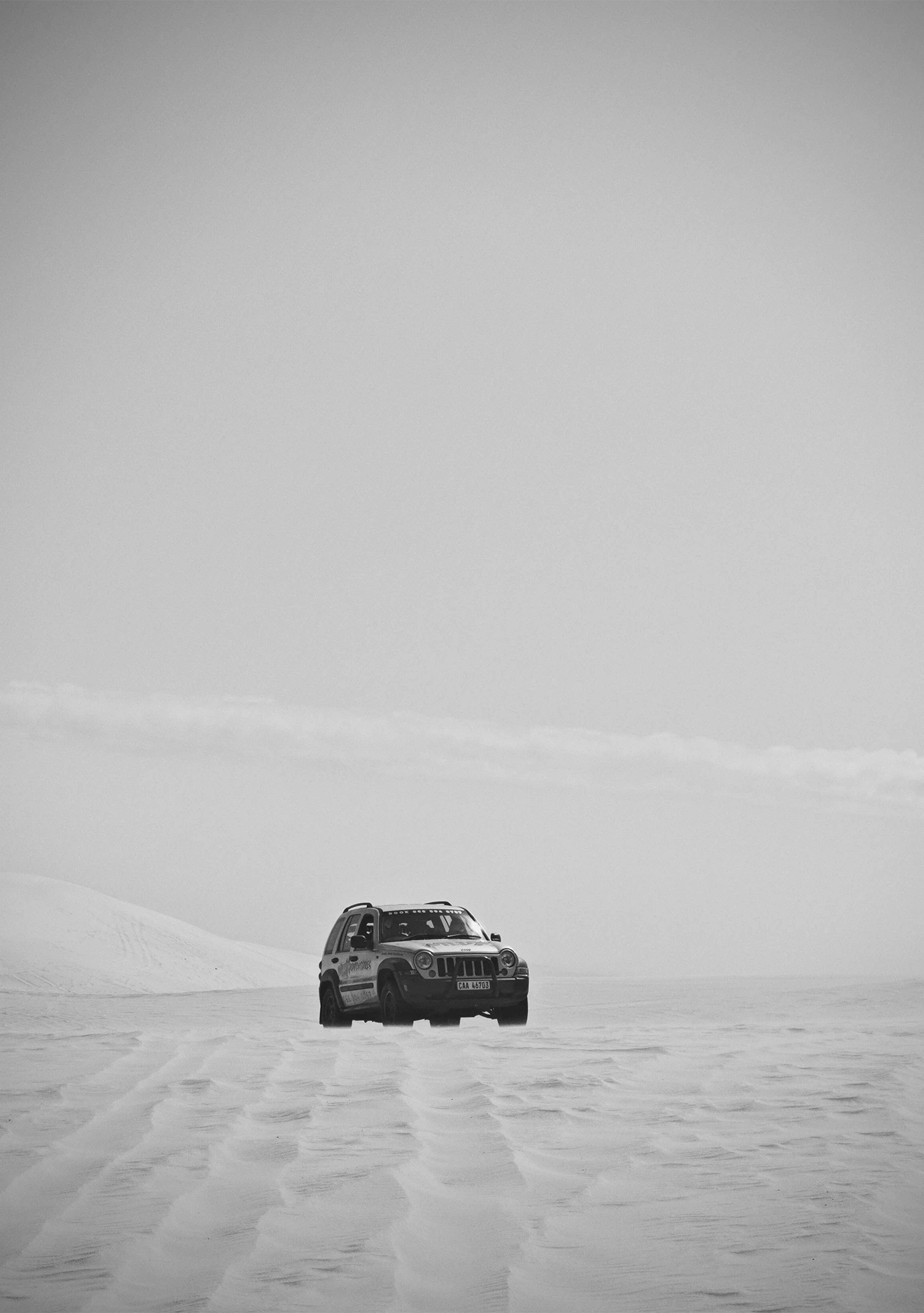
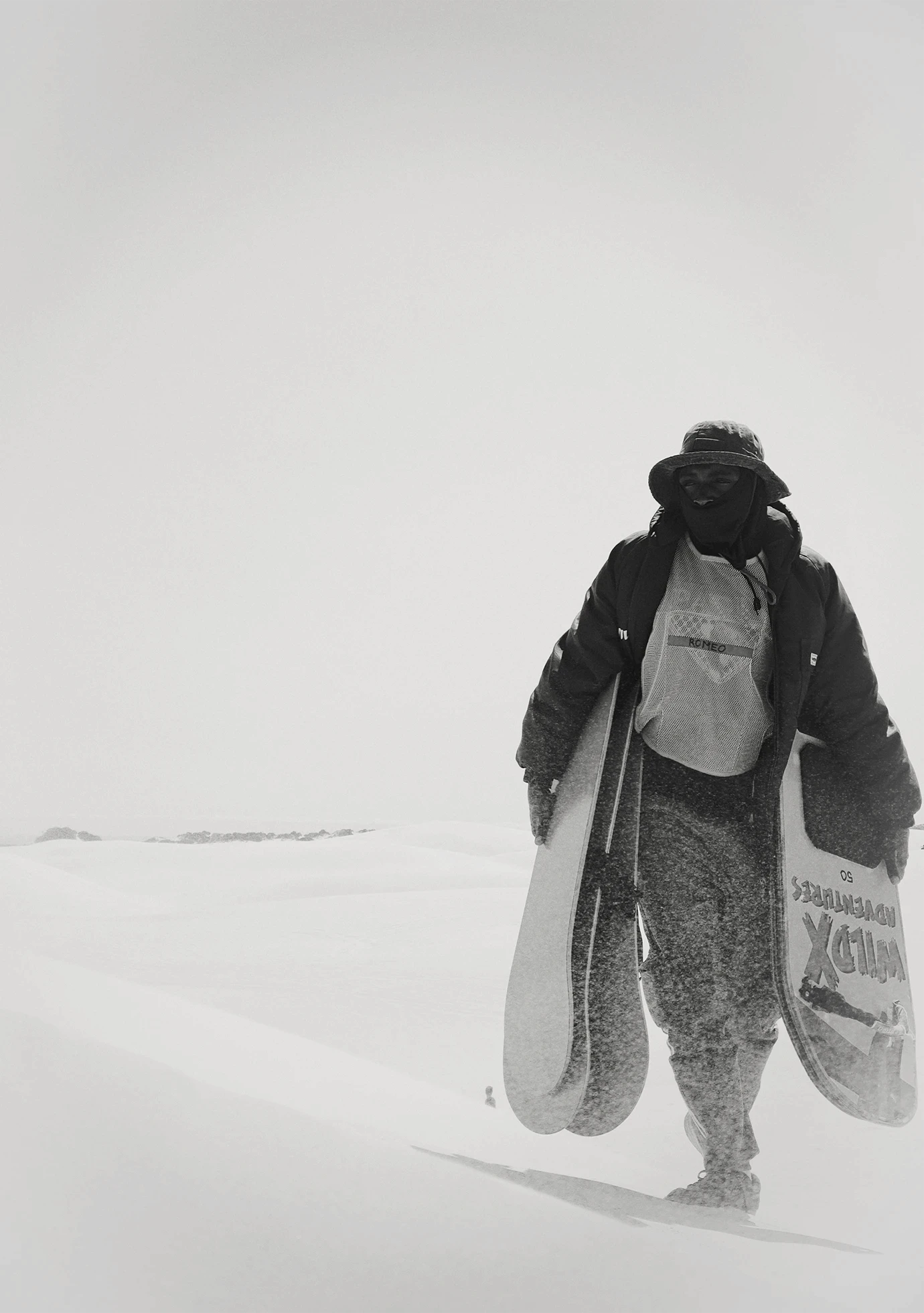
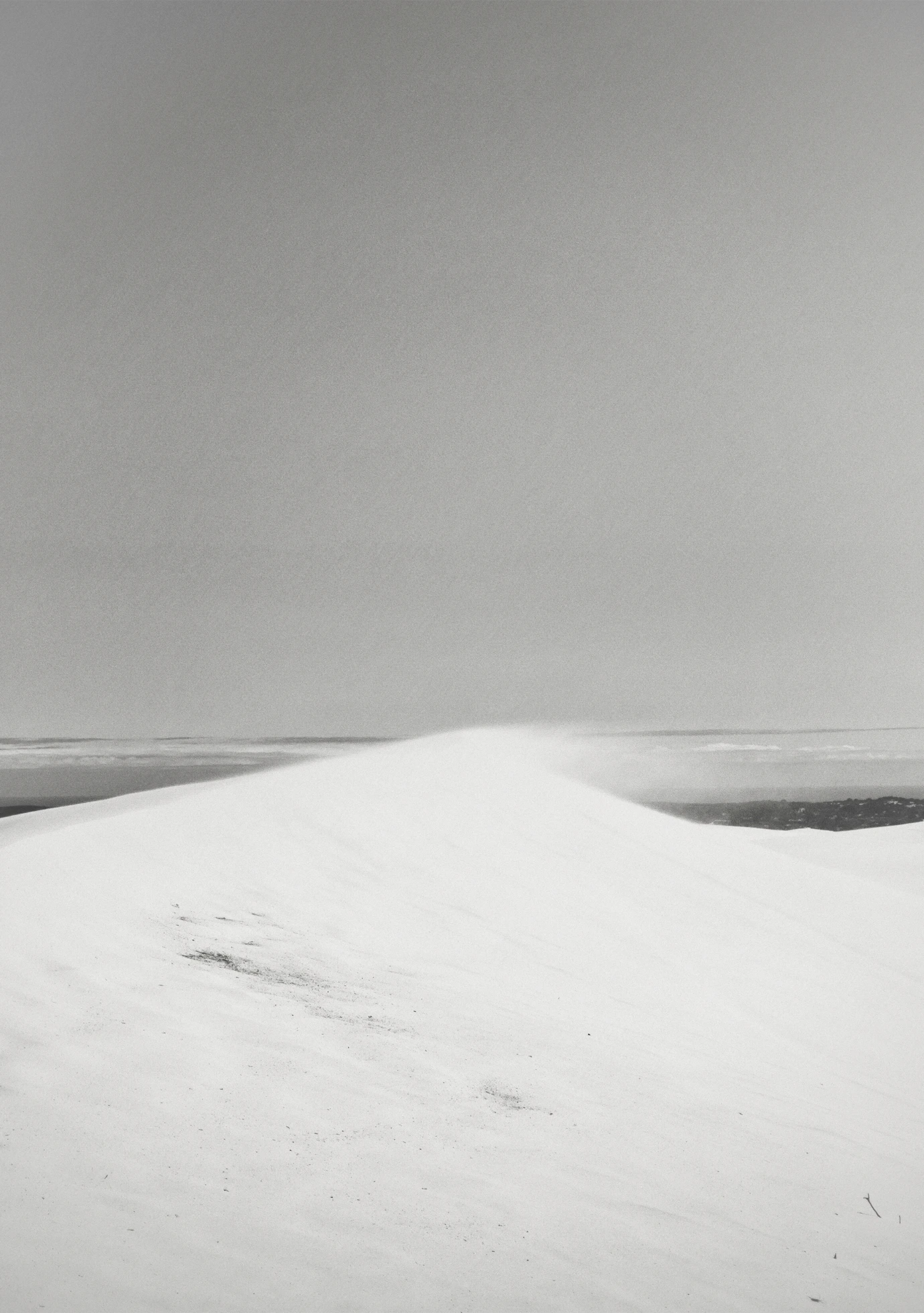
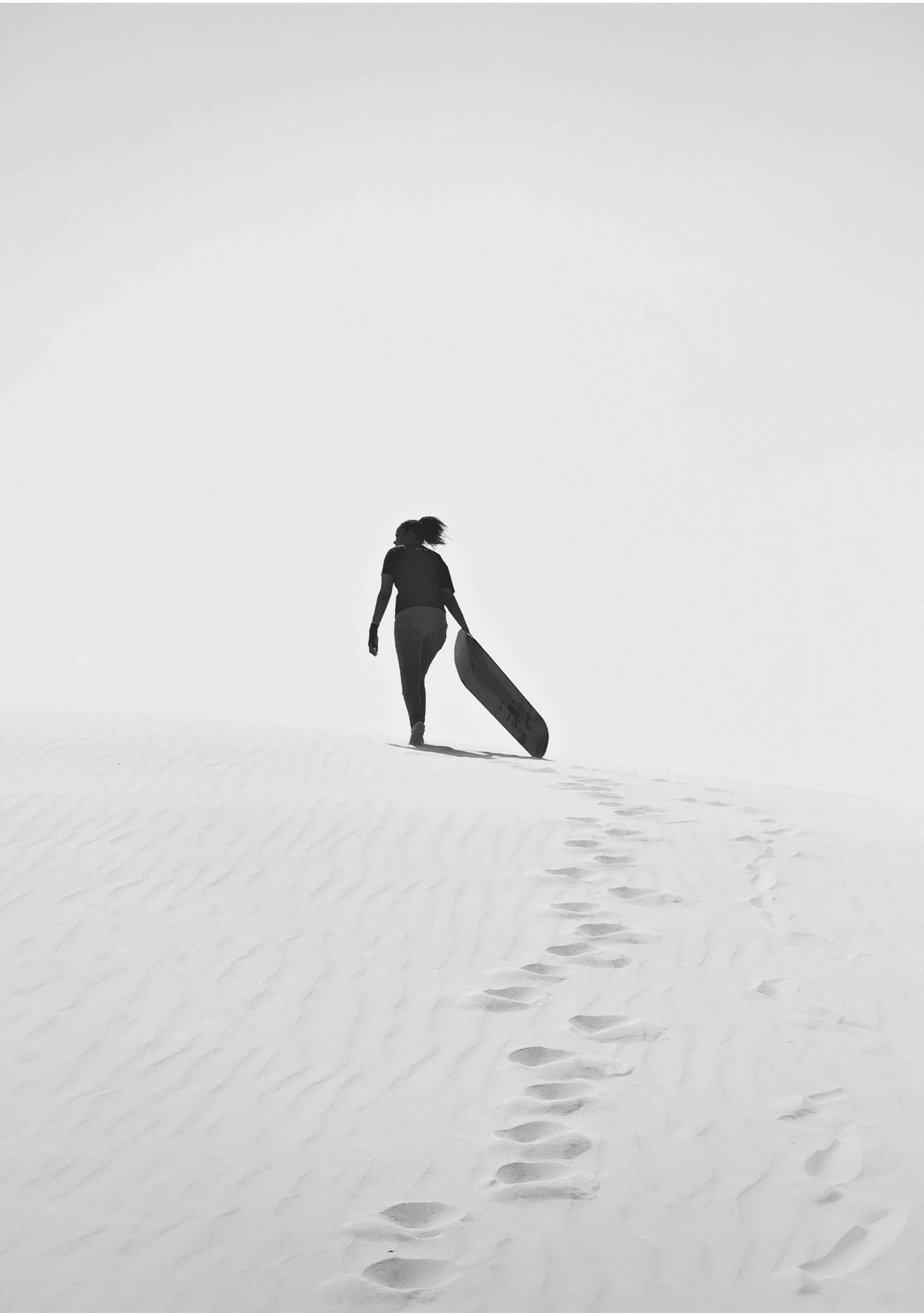
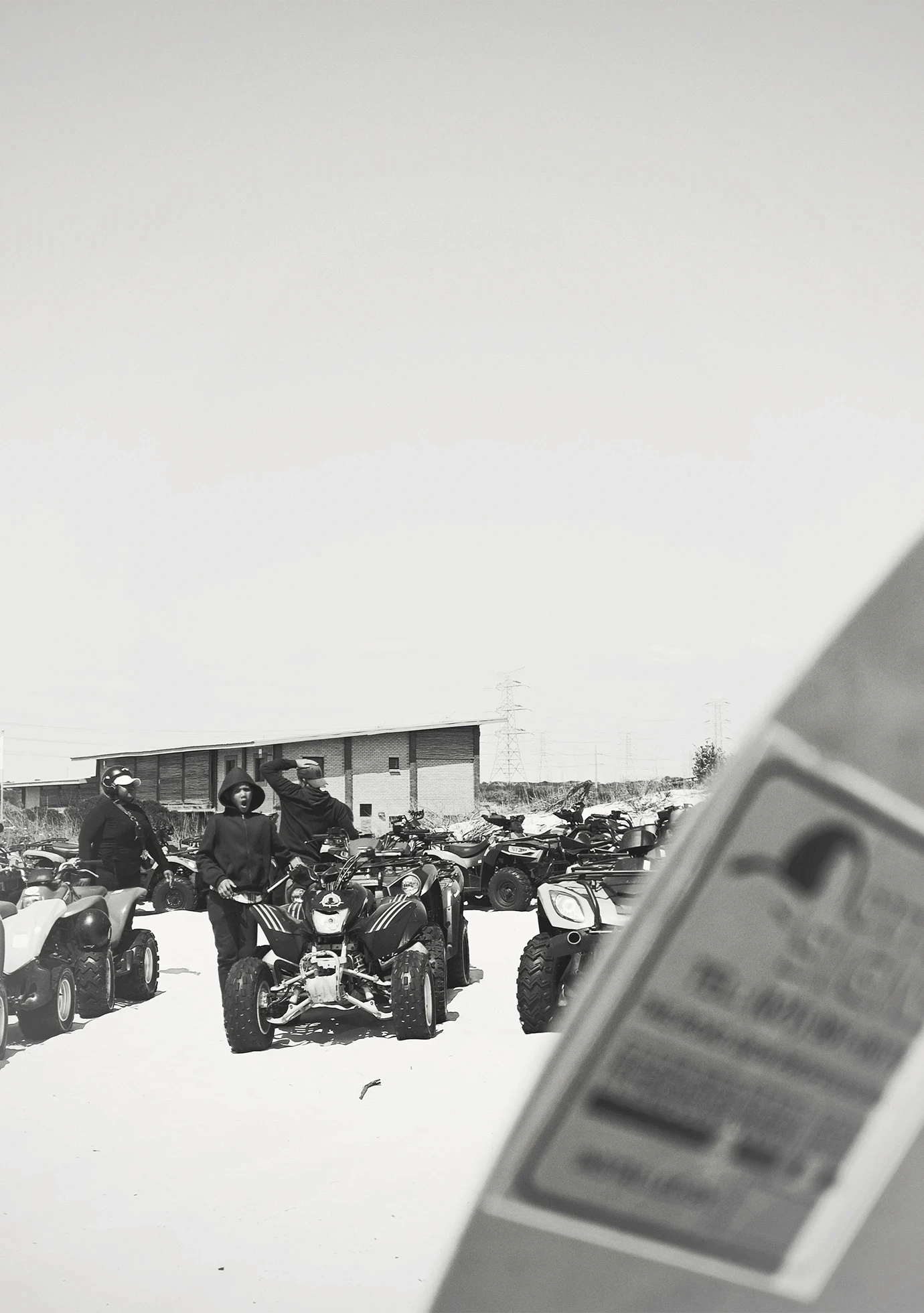
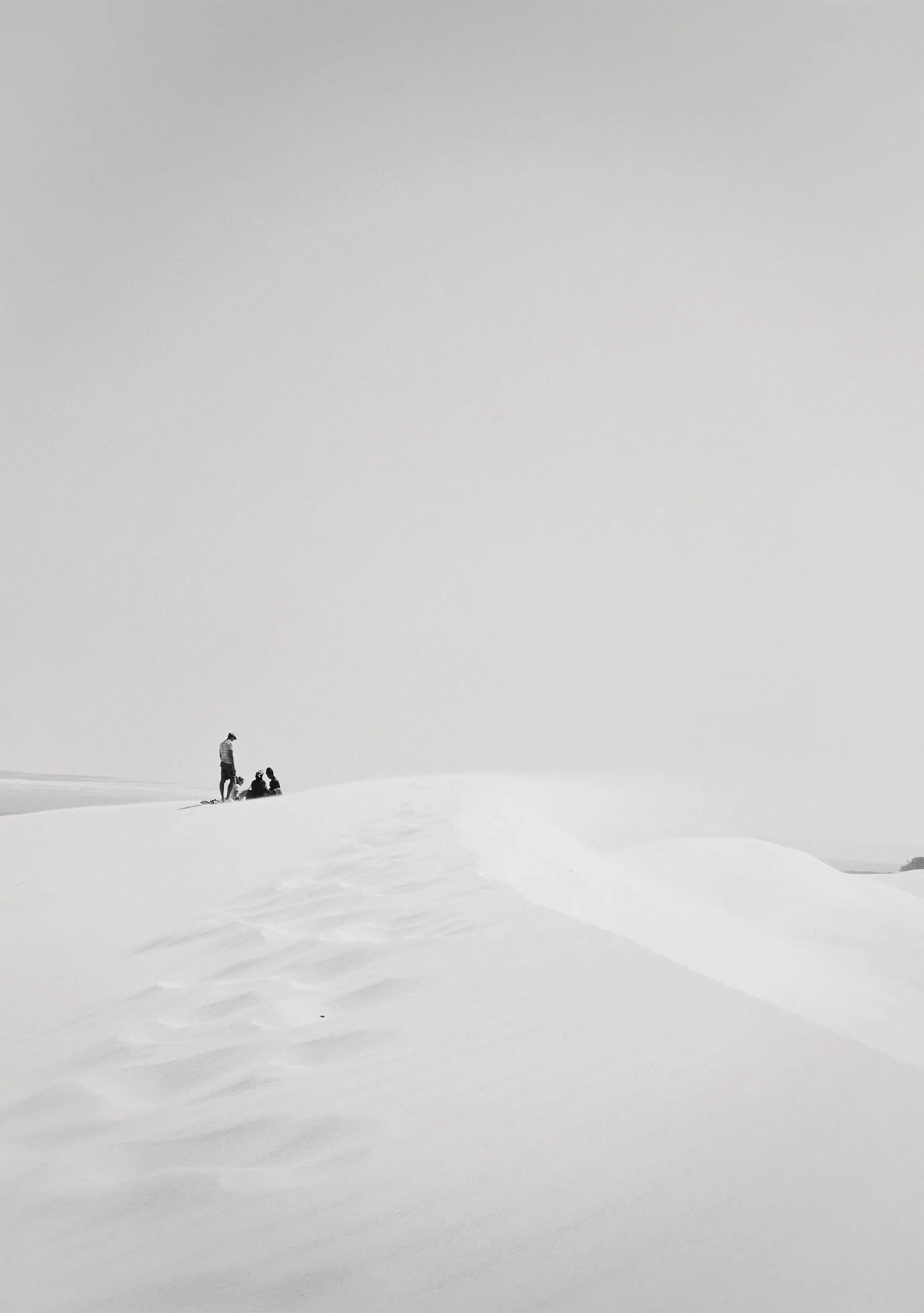
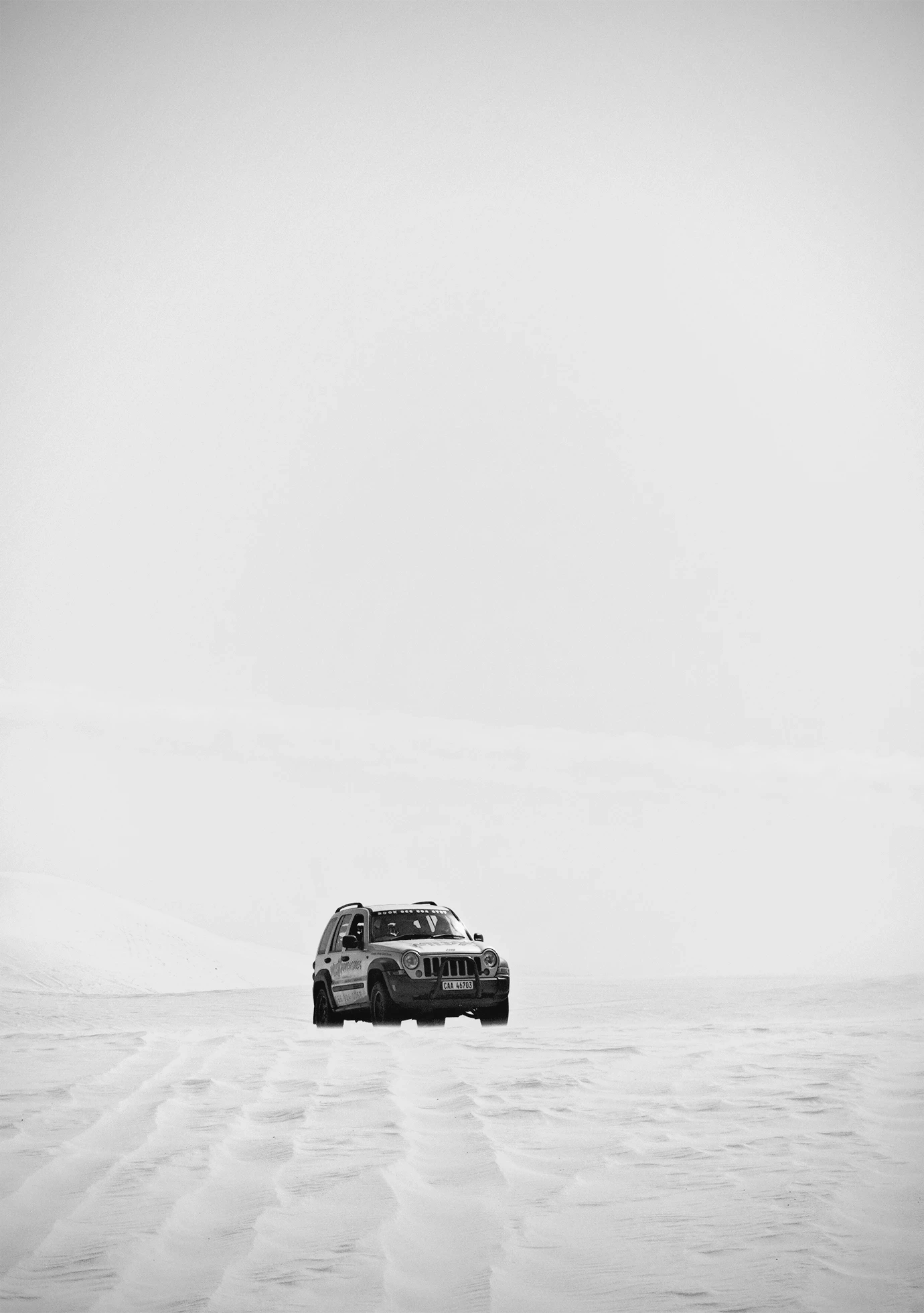
Arrakis, like the dunes we stood on, is an endless sea of sand. I leaned into its vastness, embracing negative space and allowing moving figures on quad bikes or on foot to drift through the expanses, creating a dreamlike stillness. The wind was relentless, shaping the sand into textured patterns that shimmered through the lens, reminiscent of Fraser’s spice storms. Drawing from Geidi Prime, where tonal contrast defines the world, I stripped images to black and white. Without colour, shadow and light began to speak, revealing form, rhythm, and atmosphere.
Arrakis, like the dunes we stood on, is an endless sea of sand. I leaned into its vastness, embracing negative space and allowing moving figures on quad bikes or on foot to drift through the expanses, creating a dreamlike stillness. The wind was relentless, shaping the sand into textured patterns that shimmered through the lens, reminiscent of Fraser’s spice storms. Drawing from Geidi Prime, where tonal contrast defines the world, I stripped images to black and white. Without colour, shadow and light began to speak, revealing form, rhythm, and atmosphere.
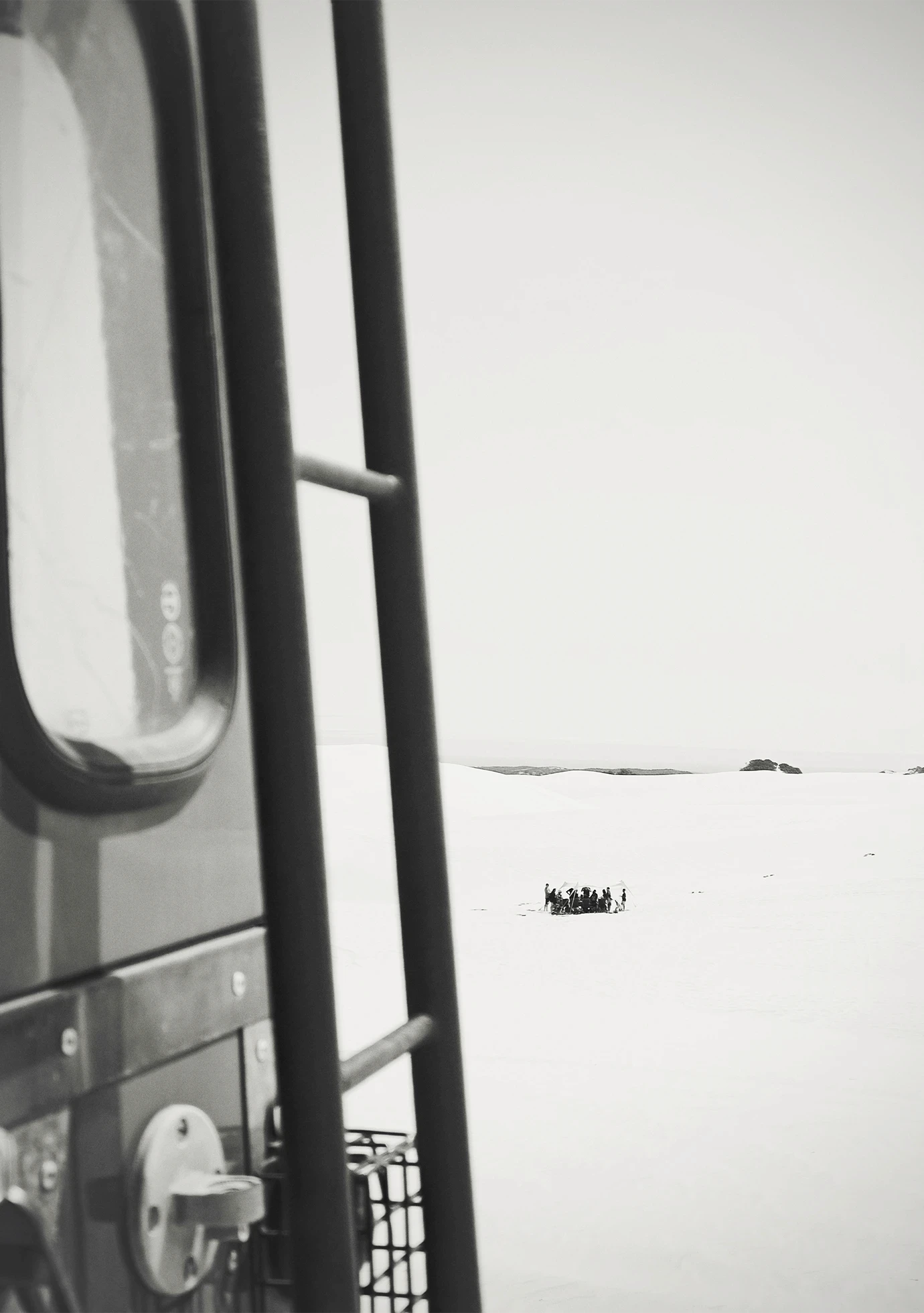
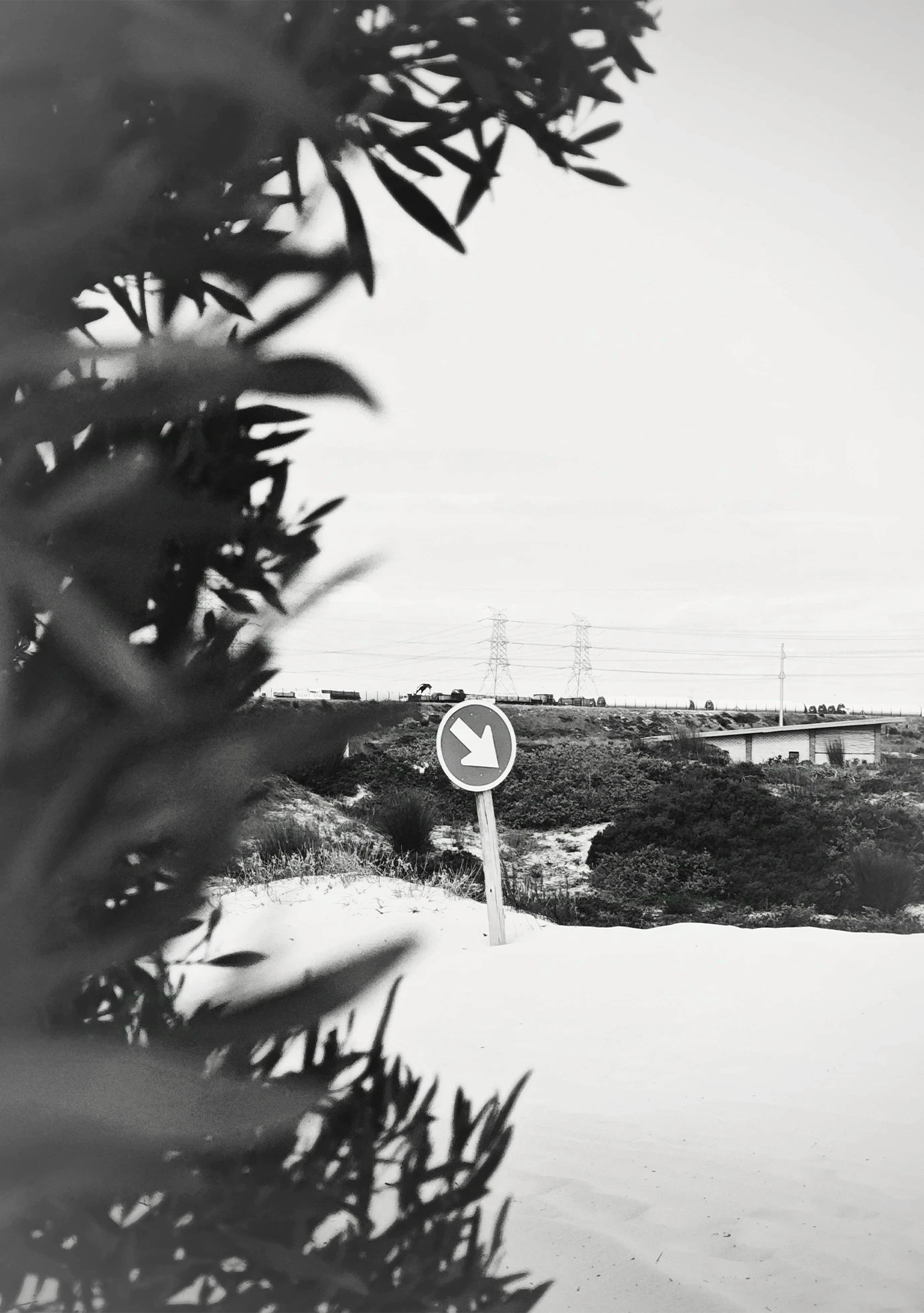
Inspired by Fraser’s framing of proximity and scale, I used figures in the foreground and distance to guide the eye. In these high-contrast moments, depth emerged naturally, each image unfolding as both homage and exploration, mirroring how cinema’s imagined worlds can quietly shape how we see our own.
Inspired by Fraser’s framing of proximity and scale, I used figures in the foreground and distance to guide the eye. In these high-contrast moments, depth emerged naturally, each image unfolding as both homage and exploration, mirroring how cinema’s imagined worlds can quietly shape how we see our own.
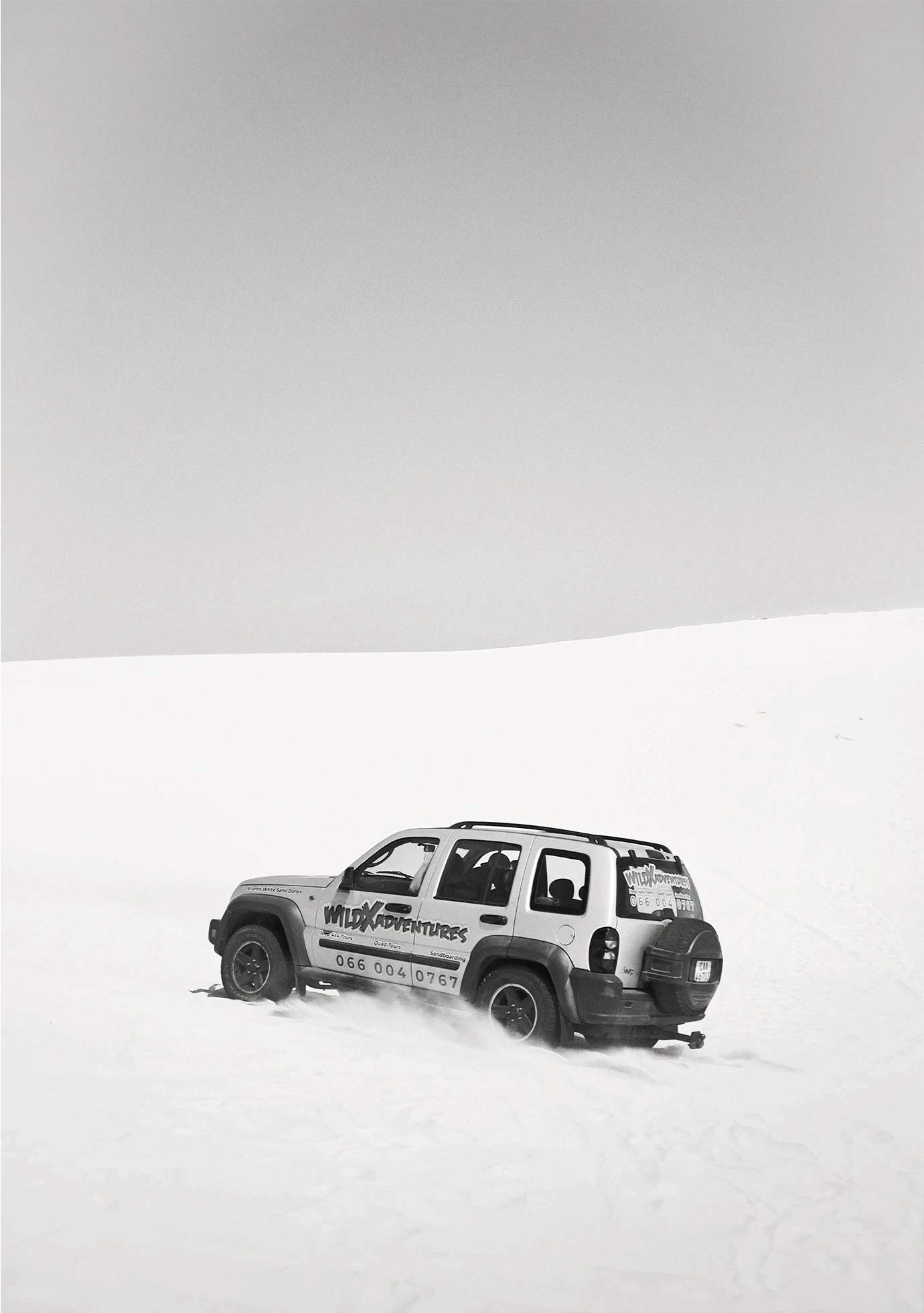
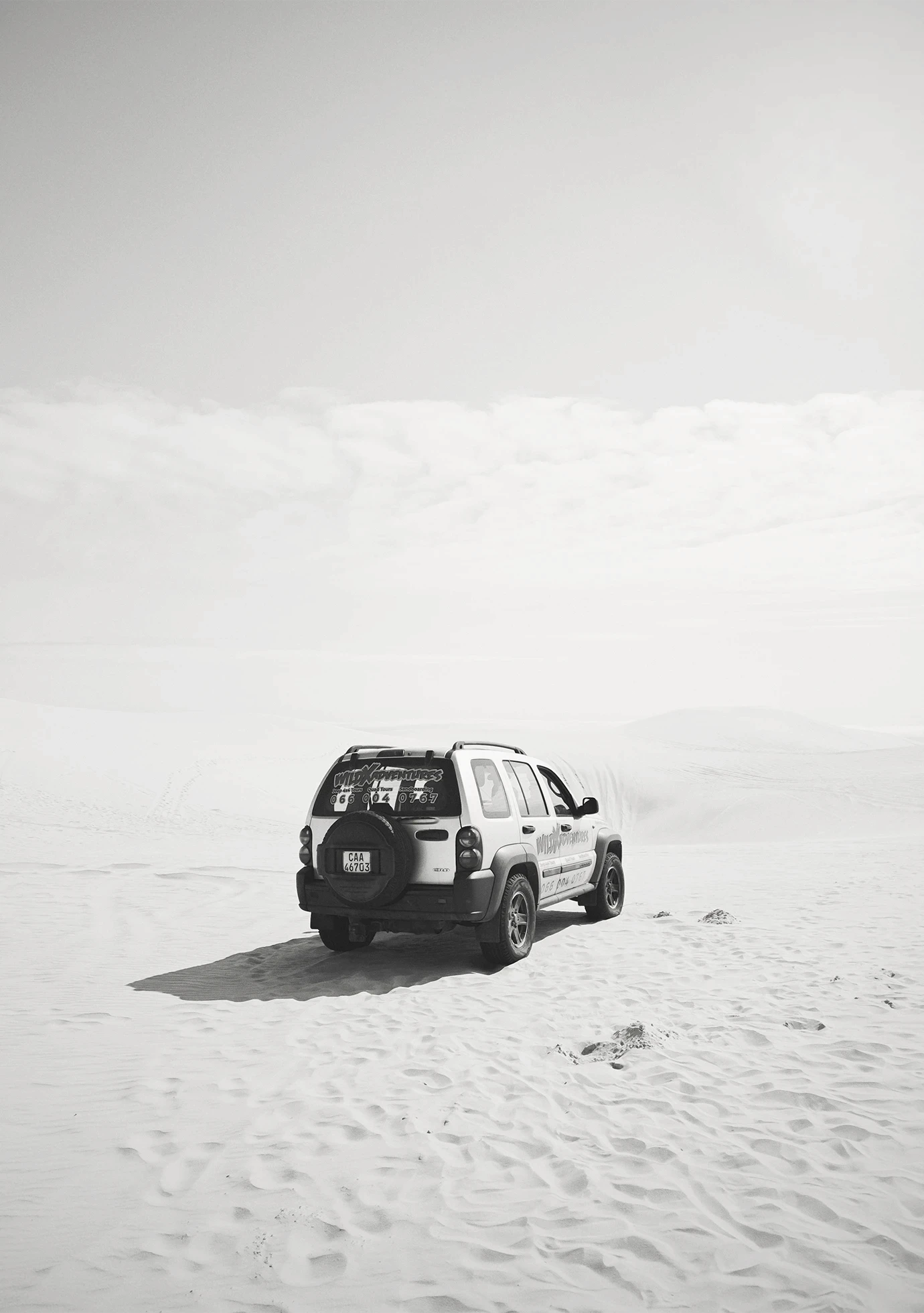
On this day, I explored the dunes of Atlantis with friends, caught in long conversations about Dune the film. My thoughts spiraled toward Greig Fraser’s cinematography and his use of contrast to shape the visual language of Arrakis and Geidi Prime. Though vastly different, the two worlds share a visual similarities through the contrasts. This dialogue between light and shadow became my own focus as I began capturing the dunes before me.
Arrakis, like the dunes we stood on, is an endless sea of sand. I leaned into its vastness, embracing negative space and allowing moving figures on quad bikes or on foot to drift through the expanses, creating a dreamlike stillness. The wind was relentless, shaping the sand into textured patterns that shimmered through the lens, reminiscent of Fraser’s spice storms. Drawing from Geidi Prime, where tonal contrast defines the world, I stripped images to black and white. Without colour, shadow and light began to speak, revealing form, rhythm, and atmosphere.
Inspired by Fraser’s framing of proximity and scale, I used figures in the foreground and distance to guide the eye. In these high-contrast moments, depth emerged naturally, each image unfolding as both homage and exploration, mirroring how cinema’s imagined worlds can quietly shape how we see our own.
Focus:
Conceptual, Landscape, Stills